Common Safety Issues Found in Aging Decks, Porches, and Ramps
Local contractors can assess and repair common safety issues found in aging decks, porches, and ramps to ensure they are safe and secure for use.
Understanding the common safety issues found in aging decks, porches, and ramps is essential for property owners looking to maintain a safe and accessible outdoor space. Over time, exposure to the elements and regular use can lead to structural concerns such as rotting wood, loose railings, and unstable surfaces. Recognizing these signs early can prevent accidents and costly repairs, making it worthwhile for property owners to explore professional inspection and repair services. Local contractors specializing in aging deck, porch, and ramp repairs are equipped to assess these issues thoroughly and recommend practical solutions to restore safety and stability.
For those in the community with older outdoor structures, addressing common safety issues can significantly improve both safety and property value. Many of these problems-like weakened support beams or deteriorated surfaces-are more than just cosmetic; they pose real risks if left unaddressed. Connecting with experienced service providers can ensure that repairs are handled properly, helping to prevent potential hazards before they become serious. Keep reading to learn more about the typical safety concerns in aging decks, porches, and ramps and how local experts can assist with safe, effective solutions.
- Aging decks - local contractors can repair loose or rotting boards that pose tripping hazards and compromise structural integrity.
- Porches - service providers address deteriorated railings and unstable flooring to prevent accidents and ensure safety.
- Ramps - local pros can fix cracks or unstable surfaces that may cause falls or impede mobility.
- Aging decks, porches, and ramps - repairs often involve replacing worn or damaged components to eliminate common safety issues.
- Safety repairs - experienced service providers assess and correct issues like loose fasteners and weakened supports to reduce risk.
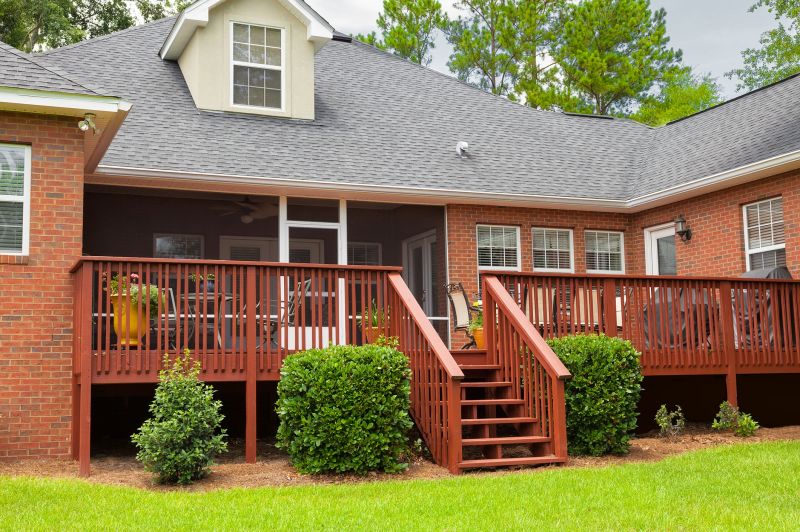
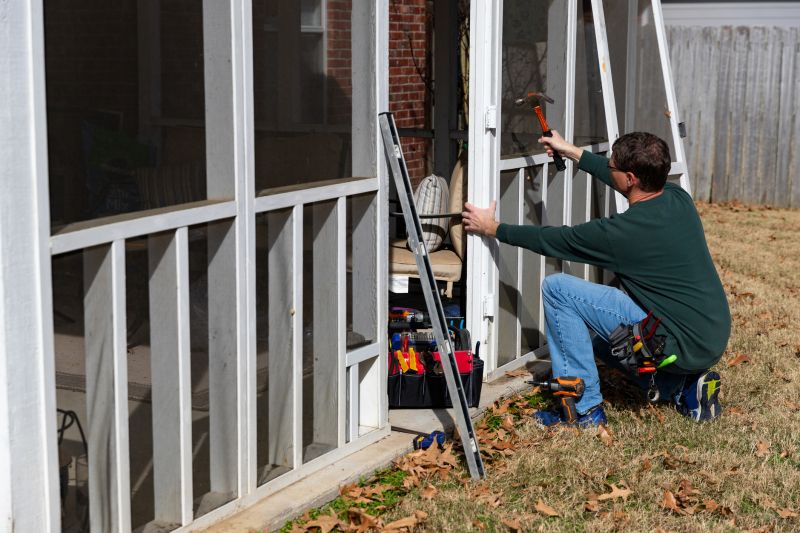
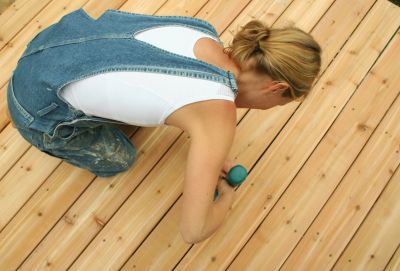
When searching for information about common safety issues found in aging decks, porches, and ramps, homeowners are often concerned about structural integrity and personal safety. These structures, especially in older properties, can develop problems over time due to exposure to weather, regular use, and natural wear and tear. People typically want to understand what signs indicate potential hazards, such as loose boards, unstable handrails, or rotting wood, so they can address these issues before they lead to accidents or injuries. Recognizing these safety concerns is crucial for maintaining a safe outdoor space, especially for households with children, seniors, or individuals with mobility challenges.
The problems associated with aging decks, porches, and ramps often relate to foundational and material deterioration. Common safety issues include rotting or decayed wood that weakens support structures, loose or missing fasteners that compromise stability, and damaged or broken railings that fail to provide adequate support. Additionally, uneven surfaces, cracked or splintered wood, and rusted hardware can create tripping hazards or cause structural failure. These issues are often interconnected, making it essential to evaluate the entire structure thoroughly. Homeowners may also be planning repairs or upgrades to improve safety, accessibility, or compliance with building codes, which local service providers can assist with.
Properties that typically come up in discussions about aging decks, porches, and ramps are residential homes, especially those built several decades ago. Single-family houses, duplexes, and multi-unit buildings with outdoor living spaces are common candidates for safety assessments. Additionally, properties that have experienced weather extremes, lack regular maintenance, or have visible signs of wear are more prone to safety issues. Ramps designed for mobility assistance are also included, as their structural soundness is vital for safe use by individuals with limited mobility. These structures often require inspections and repairs to ensure they remain safe and functional for everyday use.
Connecting with local contractors who specialize in aging decks, porches, and ramps can help homeowners address these safety issues effectively. These professionals are experienced in identifying common safety hazards, performing necessary repairs, and reinforcing structures to prevent future problems. Whether it involves replacing rotten wood, tightening loose fasteners, or installing new railings, local service providers play a key role in restoring safety and durability. Engaging with knowledgeable pros ensures that outdoor structures are maintained properly, reducing the risk of accidents and extending the lifespan of these important features in residential properties.
Wood Repair and Replacement - specialists in replacing rotted or damaged wood structures that can compromise safety in aging decks, porches, and ramps.
Handrail and Guardrail Installation - experts who can install or repair handrails to prevent falls and improve stability on aging outdoor structures.
Surface Resurfacing and Deck Coating - service providers skilled in restoring non-slip surfaces to reduce the risk of slips and falls on worn or weathered decking materials.
Structural Reinforcement Services - local contractors experienced in strengthening compromised framing and support beams that may be unsafe in aging decks and ramps.
Foundation and Support Pier Repairs - specialists who can address shifting or sinking supports that threaten the stability of outdoor structures.
Leak and Water Damage Restoration - providers capable of fixing water intrusion issues that can lead to rot and structural deterioration in decks, porches, and ramps.
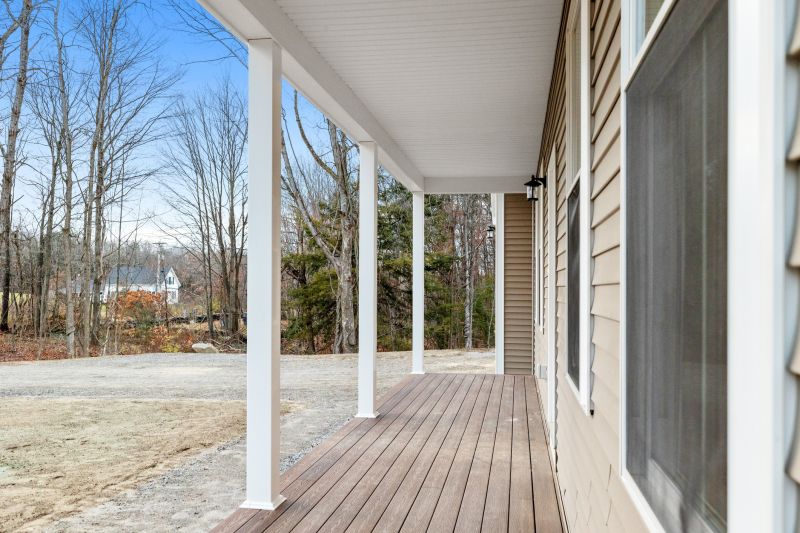
When evaluating service providers for aging decks, porches, and ramps repair, it’s important to consider their experience with similar projects. Contractors who have handled repairs involving common safety issues found in aging structures are more likely to understand the unique challenges these issues pose. An experienced local contractor can assess the specific safety concerns, such as loose railings, rotting wood, or unstable supports, and recommend appropriate solutions based on past work. This familiarity with aging structures helps ensure that repairs address the root causes of safety hazards, leading to more durable and reliable results.
Clear written expectations are essential when comparing local contractors for aging deck, porch, and ramp repairs. A reputable service provider will be able to outline the scope of work, materials to be used, and the specific safety issues they plan to address. Having these details in writing helps prevent misunderstandings and ensures that everyone is aligned on the project goals. It also provides a basis for evaluating whether the proposed repairs meet safety standards and are tailored to the unique needs of aging structures. Clear communication upfront can contribute to a smoother process and a more satisfactory outcome.
Reputable references and good communication are key factors when choosing local contractors for repairs related to common safety issues found in aging decks, porches, and ramps. Service providers who can provide references from past clients with similar projects demonstrate their ability to deliver quality work. Additionally, contractors who maintain open and transparent communication can better explain the repair process, answer questions, and keep homeowners informed throughout the project. This level of responsiveness helps build trust and confidence that the repairs will be handled professionally and with attention to safety concerns specific to aging structures.
Property owners often search for common safety issues found in aging decks, porches, and ramps when they are planning practical projects around their homes and businesses. Local pros provide Aging Decks, Porches, and Ramps Repair services for everyday jobs and straightforward project options.
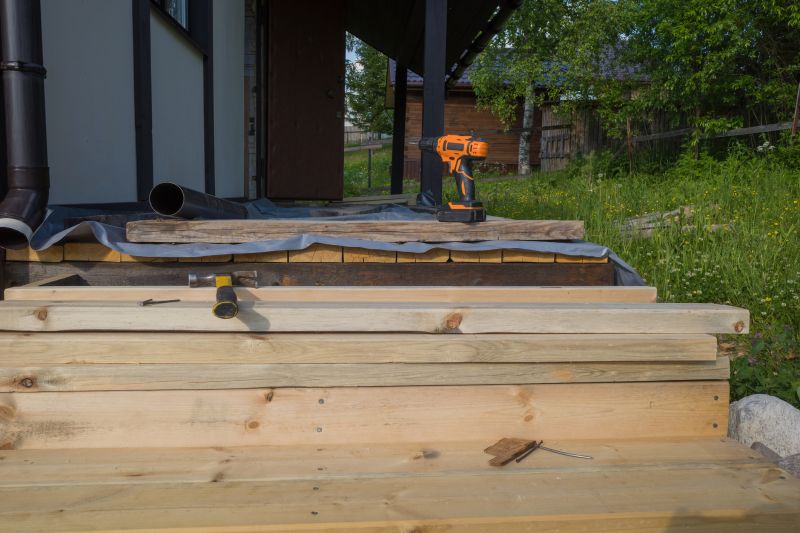
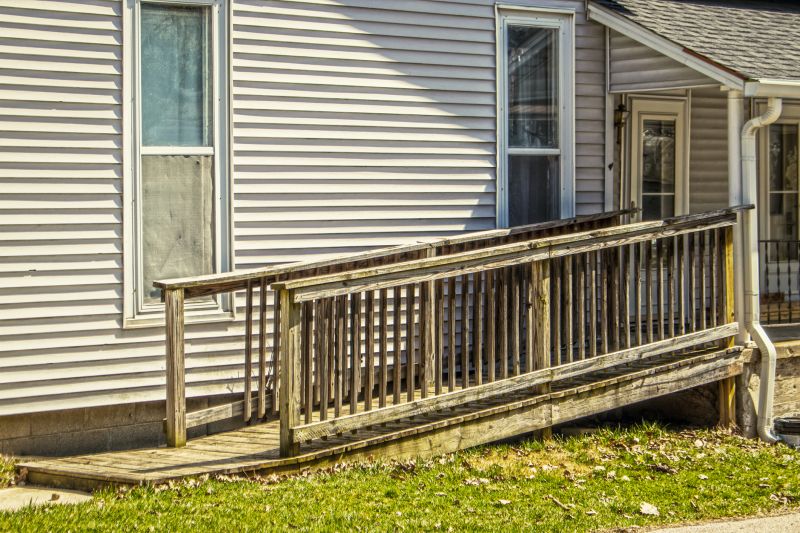
Many property owners in the area notice that aging decks, porches, and ramps can develop safety issues over time, especially if they haven’t been regularly inspected or maintained. Common problems include loose or rotting boards, unstable railings, and weakened support posts, which can pose tripping hazards or even lead to structural failure. These issues often arise from exposure to the elements, repeated foot traffic, or simple wear and tear, making it important to address them before they become more serious.
Local contractors who specialize in aging deck, porch, and ramp repairs can assess these safety concerns and provide the necessary fixes. They can identify compromised wood, reinforce unstable structures, and replace damaged components to ensure safety and stability. Property owners looking to improve safety or extend the life of these outdoor features can benefit from connecting with experienced service providers who can handle repairs efficiently and effectively.
What are common structural issues in aging decks, porches, and ramps? Common safety issues include rotting wood, loose or weakened support beams, and unstable footing, which can compromise stability and safety. Local contractors can assess and repair these problems to ensure the structure remains secure.
How can deteriorated railings affect safety on aging decks and porches? Deteriorated or loose railings can pose fall hazards, especially if they no longer provide proper support. Service providers can replace or reinforce railings to improve safety and prevent accidents.
What are signs of surface deterioration in aging ramps and decks? Visible cracks, splinters, or uneven surfaces can cause trips and falls. Local contractors can repair or replace damaged decking and ramp surfaces to reduce safety risks.
Why is wood rot a concern in aging outdoor structures? Wood rot weakens the structural integrity of decks, porches, and ramps, increasing the risk of collapse. Professionals can identify and treat wood rot, replacing compromised materials as needed.
How do loose fasteners impact the safety of aging outdoor structures? Loose nails, screws, or bolts can lead to unstable surfaces or collapsing sections. Service providers can tighten or replace fasteners to maintain the stability of decks, porches, and ramps.
Structural stability assessments - property owners can have local contractors evaluate decks, porches, and ramps for signs of rotting or shifting to prevent potential collapses.
Surface and railing repairs - fixing loose or damaged boards and handrails helps reduce tripping hazards and ensures better grip for users.
Rot and pest damage prevention - identifying and addressing areas affected by pests or moisture can extend the lifespan of aging outdoor structures.
Proper load capacity evaluation - consulting local service providers ensures decks and ramps can safely support daily use without risk of failure.
If you are thinking about common safety issues found in aging decks, porches, and ramps for a property, this guide is meant to help you understand this topic, the typical project types, and how different options might fit your plans.
When you are ready, you can use the quote form on this page to share a few details about your project. From there, local pros can review the basics and follow up with options that match what you have in mind.